
Promotional Products Explained: A Complete Guide from Swag to Strategy
When it comes to marketing, it is easy to forget about digital ads and social media as the first things that pop to mind. One of the oldest and most effective advertising methods is something that really works for you. This guide not only tells you what a promotional product is but also why it is the most effective strategy in 2026. It tells you how to use these items to your benefit and grow your brand. We will portray everything from simple giveaways to a full marketing plan.
Key Takeaways
- A promotional product is a useful item that comes with a company branding, logo, or motto. It is distributed for free to make more people aware of the brand through it.
- They are effective because they are tangible things. They are not temporary items. They create seeing and receiving good things by people.
- The right product choice is based on clear goals. Understanding your target audience is key. The promotional product should align with the identity of your brand.
- You can assess success through the use of QR codes, customer discount codes, and feedback surveys to name a few.
- These products act together with digital advertising. They include the real-world aspect that online factors cannot.
First, What Is a Promotional Product, Really?
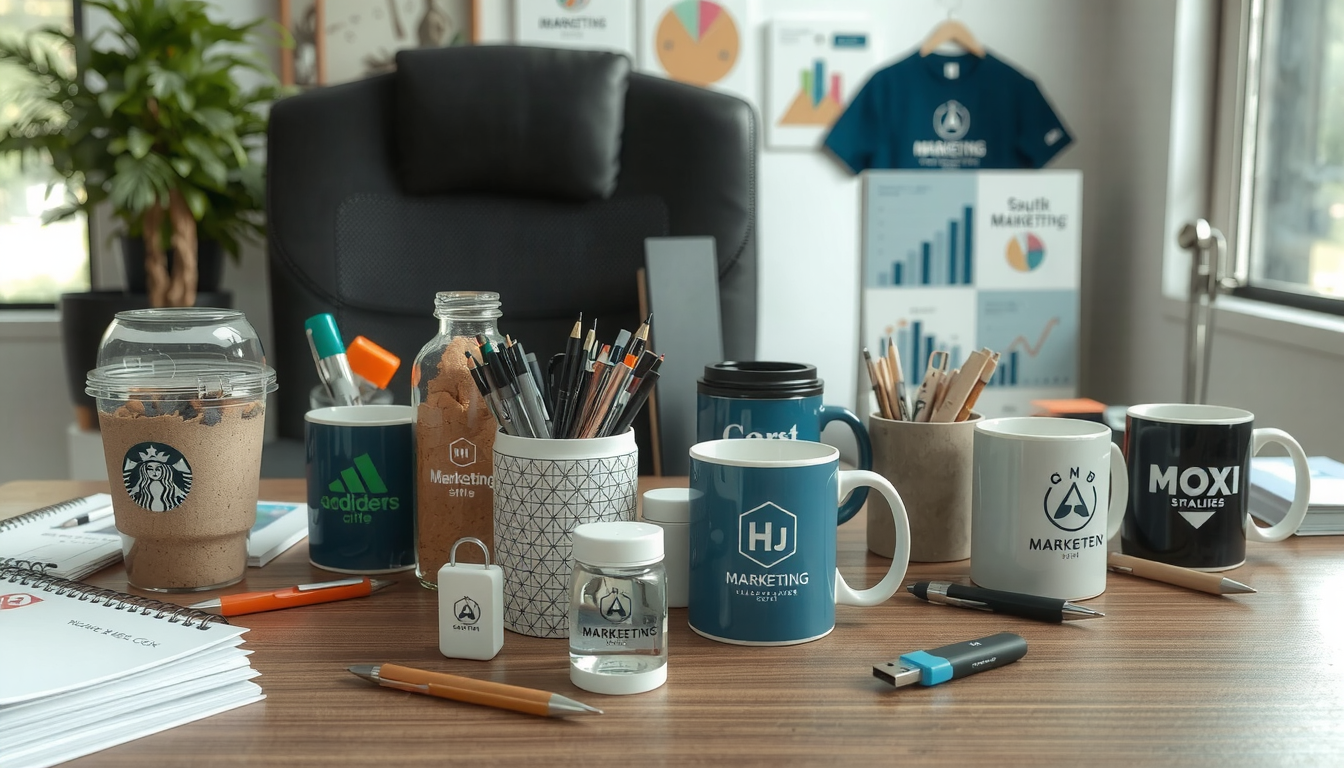
To realize what a promotional product is, take a look around your work desk or house. You must have one nearby. It could be a pen provided by a nearby bank. It can also be a tote bag from a convention. A financial trader might have a coffee mug with a logo on it. In fact, all of these daily object examples are the evidence of promotional product techniques in practical application.
The Simple Answer
You can think of a t-shirt that you obtained for free just for participating in a 5K run or the water bottle you got from your new gym. These are default instances.
A promotional product is an essential item that carries a company’s logo, name, or message. It is given for free to current or prospective clients. The two main objectives are to increase the company’s visibility in front of more people and to build good rapport with the individual receiving it.
Key Features of a Promotional Product
Each promotional item is presented with some essential traits. These features help to clarify why they are such an effective marketing medium. Knowing these facts about them makes it easier to see why they are so powerful.
- Branded: It will always have a logo, a slogan, or a company line. The “promotional” is that part.
- Physical: It is an actual item which you can hold and use rather than a digital advertisement.
- Practical: It gives the recipient something valuable in a tangible physical manner. A practical item is retained and used most often.
- Promotional: It is a part of a marketing and communication campaign, or else it is just a promotional item.
According to different dictionaries, Promotional merchandise, sometimes referred to as swag or freebies, are used to sell a product, identify a company, or promote an event. By using the tools of marketing they give a different meaning to a product.
Why Do Businesses Invest in Promotional Products? The Power of Real Marketing
In an age filled with digital distractions, a concrete object can have a real effect. In spite of other advertising channels, money is still spent on merch as they get proper outcomes. No other media can do it. They are more than just a present. They are a part of your marketing strategy.
Making a Long-Term Memory of Your Brand
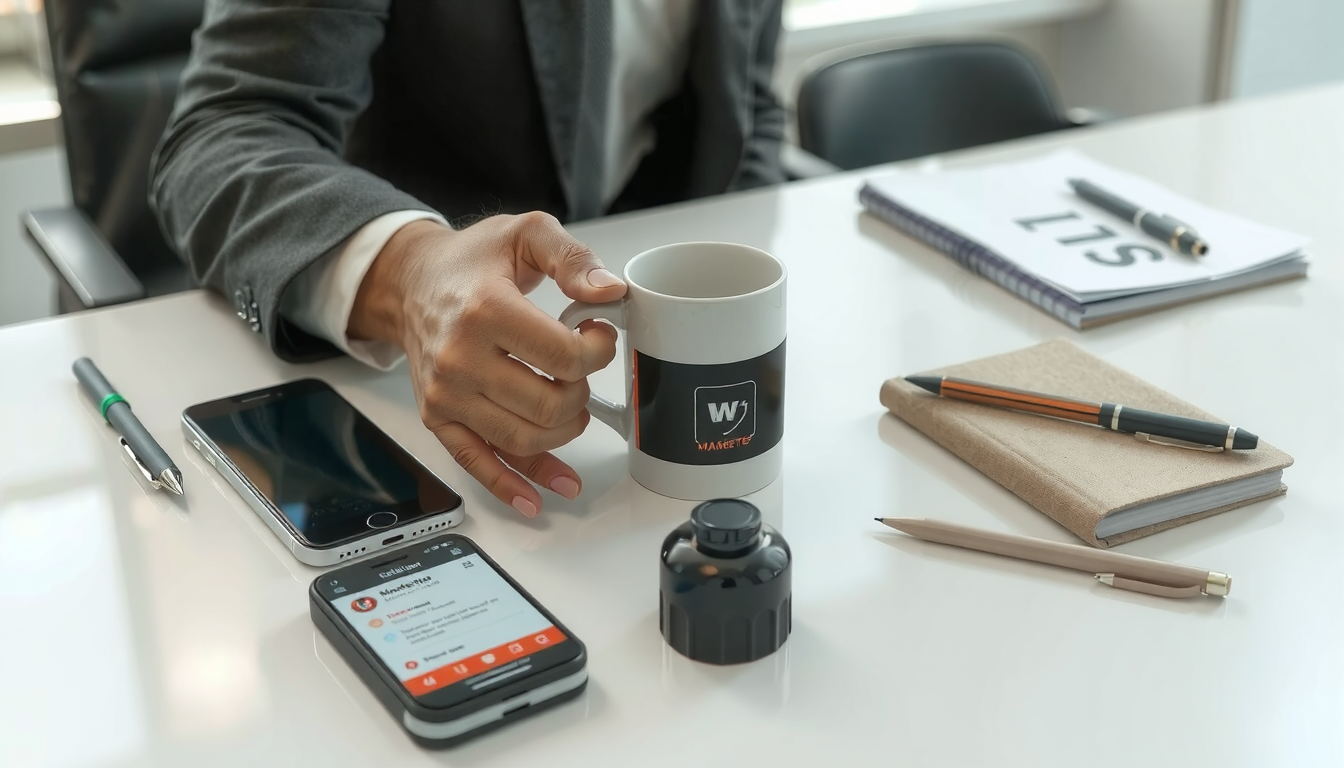
A digital ad lives for a second and after its gone you’ll forget it. A promotional product, on the other hand, has a strong continuum in the public minds. A mug or hoodie has a long practical usage time.
Now the product is with them for a very long time. A lot of recent surveys tell us that the average length of time people keep a promotional item is more than one year. Long term exposure makes consumers think about your brand. In fact, many people state that promotional items are their best way of marketing.
Creating Customer Loyalty and Good Mood
Presenting a gift makes people happy. In a way, businesses give employees a valuable, fun gift, which in turn brings them happiness. This little gesture of kindness sends a message: “We value you.”
The good emotions that people have can sometimes turn customers into fans who return again and again. Of course, it is not only about the product. The issue is all about the act. This is a straightforward approach to building strong, lasting customer relationships with a double impact.
A Cost-Effective Marketing Channel
At first sight, giving things away on the surface may seem like an expensive thing to do. But once you see it through the prism of Cost-Per-Impression (CPI), the value becomes apparent. CPI is a ratio of what you pay to how many times your advertisement is seen.
The immediate expense of a promotional item might be greater than one click on an online ad. But the longevity reworks that equation. A pen that costs $1 and goes under the hand of 1,000 readers will have little CPI. Because these items are hanging out so much, they often become the most cost-effective marketing channels.
Beyond Pens and Mugs: A Strategic Plan for Choosing the Right Product
We notice the most common mistake to be unplanned product selection. The success of your campaign relies heavily on the correct choice of products based on the right reasons. A cheap pen can work well at a trade exhibition, for example. On the other hand, it is not a good present for a VIP client. You can follow this simple plan to make the best choice for your promotional product.
Step 1: Define Your Goal
The first thing you should do is ask yourself: what am I trying to achieve? Your goal will provide the direction for all your decisions.
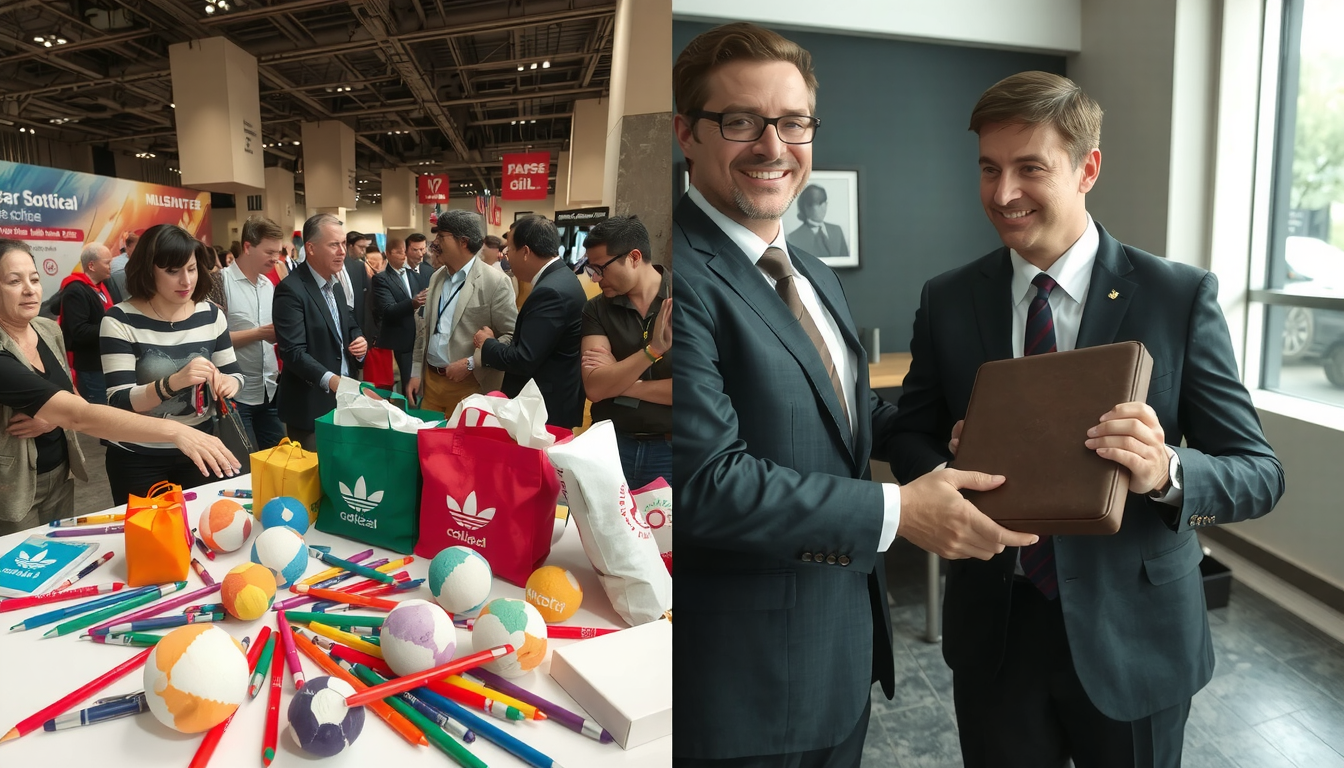
For example, are you interested in attracting more people to your trade show booth? Are you giving a reward to the most loyal customers? Or are you introducing new employees to the company? A free giveaway for mass awareness is completely different from a premium gift intended for building a personal bond.
Step 2: Understand Your Audience
Next on your list should be knowing the people you’re targeting. What do they do each day? What are their needs, passions, and values?
The best promotional products are those that repair a problem or fit into a person’s lifestyle. For instance, if the audience is computer whizzes, a power bank or a cable organizer is more appropriate than a paperweight. A group is environment friendly when they see reusable bamboo plates which is a good way to show them your support.
Step 3: Match Your Brand Identity
The product that you will choose has to sound like a natural extension of your brand. It is a true physical element from the story of your company.
For our health and wellness brand, our first idea was to go with trendy tech gadgets. In the end, we figured that it would be much more authentic to give away branded yoga mats and water bottles. It wasn’t just swag. It was a tangible manifestation of our mission, which is to promote a healthy lifestyle. A product sends the same unambiguous message.
Step 4: Consider Use and Longevity
Last, but not least, is your most important question: will they really use it? The more the item is used, the more your brand will get exposure.
Also, do not forget about durability. A low-cost product that breaks just after one use will tarnish the image of your brand. That is, it hints at your company offering also being of the same low quality. Investing in an item that is sturdy and is made well ensures that your brand gets a good reputation in the long run.
Common Types of Promotional Products and Their Best Use Cases
With a great variety of options, it is, undoubtedly, a daunting task to choose a starting point. The chart below sorts the popular product types according to their main applications thoroughly it may help you think of your next campaign.
| Use Case | Example Products | Strategic Goal |
|---|---|---|
| Trade Shows & Events | Tote Bags, Pens, Lanyards, Hand Sanitizer | Mass Brand Awareness, Lead Generation |
| Customer Appreciation | High-Quality Mugs, Cozy Blankets, Gourmet Food Baskets | Build Loyalty, Encourage Repeat Business |
| Employee Onboarding | Branded Notebooks, Hoodies, Water Bottles, Backpacks | Foster Company Culture, Boost Morale |
| Sales Leave-Behinds | USB Drives, Premium Notepads, Desk Calendars | Reinforce Sales Pitch, Stay Top-of-Mind |
| Eco-Friendly Initiatives | Reusable Straws, Seed Paper, Bamboo Utensils | Showcase Corporate Values, Appeal to Green Audience |
Did It Work? How to Measure the ROI of Your Promotional Products
How to know the effectiveness of a promotional product is one of the marketing professionals most burning questions. Although its not always as direct as digital ads, it also doesnt present an impossibility. What you need are the right channels to see your return on investments (ROI).
Moving Beyond Views

Getting the views is a great start but it does not certify whether the product got you more business. The real understanding of what a promotional product accomplished must take us to the tangible results. Did it bring increased web traffic? Did it generate more revenue?
Direct Tracking Methods
Below are a few straightforward ways to track the items’ performance directly:
- Unique QR Codes or URLs: Print a special QR code or web address (like
yourwebsite.com/gift) on your product. You can then use analytics tools to see how many people visited that page. - Exclusive Discount Codes: Add a unique discount code to the item (e.g., “SWAG20”). Track how many times that code is used at checkout to measure sales driven by the product.
- Social Media Hashtags: Encourage people to post a photo with the product using a specific hashtag. This not only tracks engagement but also creates user-generated content for your brand.
Indirect Tracking and Feedback
Some of the most valuable feedback is not a number.
- Customer Surveys: When new customers sign up, ask them, “How did you hear about us?” Adding “Promotional Item” as an option can give you clear data.
- Team Feedback: Listen to what your sales and customer service teams hear. A client saying, “I use that mug you gave me every morning!” is a strong sign that your campaign is building a good relationship.
The Industry Behind the Swag: Suppliers vs. Distributors
Where do these branded goods come from is a question that many people have asked. Often, the process involves the two types of companies the main character is. Understanding their functions can help you in the case that you decide to order products for your own business.
Understanding the Key Players
The promotional products domain is made up of two main sectors: suppliers and distributors in the promotional products industry.
- Suppliers: These are the companies that make, import, or decorate the blank products. They produce the pens, shirts, and mugs before a logo is added.
- Distributors (or Promotional Consultants): These are the client-facing experts. They work directly with businesses like yours to find the right product. They help with the design and manage the entire ordering process. Most businesses work with a distributor to bring their ideas to life.
In this video, you can get the right introduction to the industry with its great overview.
Frequently Asked Questions (FAQ)
Below are answers to frequently asked questions concerning promotional products and how they are used.
1. What’s the difference between a promotional product and retail merchandise?
A promotional product is mainly a marketing tool. It is usually given away for free to promote a brand. Retail merchandise is created to be sold directly to consumers for a profit. The product itself is the main offering.
2. Are promotional products expensive?
The price rates can be varied widely. For example, simple items such as pens can be priced at under a dollar. Conversely, high-end electronics or far upscale clothing can cost significantly more. Your budget should align with the goal of the campaign and the target audience.
3. What are the most effective promotional products?
The products that serve the customer the best tend to be the most effective. Surveys in the industry show again and again that drinkware, apparel, and bags are the most effective. It is because they are frequently used, thus resulting in more exposure for the brand.
4. How do I get my logo on a promotional product?
You will be dealing with a promotional products distributor. You will simply provide your logo file, in a vector format such as .AI or .EPS. Afterward, they will give you a digital proof of the logo on the product. They will organize the existing printing and decoration processes for you.
5. Do promotional products still work in a digital world?
Yes, they definitely do. In a world like 2026, where digital ads are everywhere, a real, useful item stands out. It helps make a connection with your brand that is more personal and easier to remember. They are a great partner for your digital marketing campaigns.
Conclusion: More Than Just Free Stuff
So, to sum it all up, a promotional product is not just some free stuff with a logo. It’s a strong, tangible marketing tool that helps people remember your brand. It builds loyalty and gives you a good return on your investment. If you pick your item carefully and have a good plan, it’s no longer just “swag.” It becomes an important piece in building a strong brand that lasts.
