
Digital advertising might be ubiquitous. But, a tangible object has the potential to make a really emotional connection. This is why promotional products are so much effective. You could wonder, "Is it advisable to sell promotional products as a home-based business in 2026?" Yes, it is. The field is enormous and you have many opportunities to be successful. The promotional products marketplace was over $25 billion in recent years, according to Forbes and other top business sources. This guide is your treasure map. You will discover how to set up your business, find suppliers, set prices, pick products, and make sales.

Key Takeaways
- Find Your Focus: Specialize in a particular area, such as eco-friendly products or products for tech companies. This lets you be different from the others.
- Suppliers are Partners: Your business success depends on your ability to find good wholesale suppliers. Be thorough in your checks.
- Price for Profit: Think beyond simple pricing. Consider value-based and tiered strategies to earn more.
- Build a Smart Catalog: Combine classic best-sellers with trendy, new products in your catalog. You will attract more customers.
- Market Actively: Use a professional website. Do direct marketing on LinkedIn to find and win clients.
Your 5-Step Plan to Start a Promotional Products Business from Home
Starting a new business can feel overwhelming, but we can break it down into simple steps. This plan gives you a clear path for selling promotional products from home.
Step 1: Define Your Niche and Business Model
First, decide what you want to sell and to who you want to sell to. You can sell anything to anyone. But being in one area is often more effective. For instance, you could focus on eco-friendly products, local brewery items, or tech gadgets for startups. This way you turn into an expert.
Next, you can choose the business model. Most home-based sellers go for the distributor model. This involves working with wholesale suppliers. They take care of the products and printing. You deal with sales and customer service. The other option is print-on-demand. This works for simple items like t-shirts and is free of costs at the beginning.
Step 2: Handle the Legal and Financial Setup
Any legitimate business requires a legal and financial setup. This is a formality and it is not tough. You need to register your business name and obtain any necessary local business licenses. You also need to get a tax ID.
Keeping your business money separate from personal money is of utmost importance. So, open a business bank account as soon as possible. For all legal and tax matters, always speak to a professional.
Step 3: Find Your Wholesale Promotional Product Suppliers
You are not going to be making the products. You will partner with companies that do. These companies are your wholesale suppliers. Finding good ones is key to success in the promotional products business. You can connect with them through industry networks like ASI and PPAI. You can also search for them online. We will discuss this more in a later section.
Step 4: Choose Your Online Sales Platform
You need a place to show your products online. This is your digital store. You can use companies like Shopify or BigCommerce to create a full online shop. This gives you the freedom to control everything.
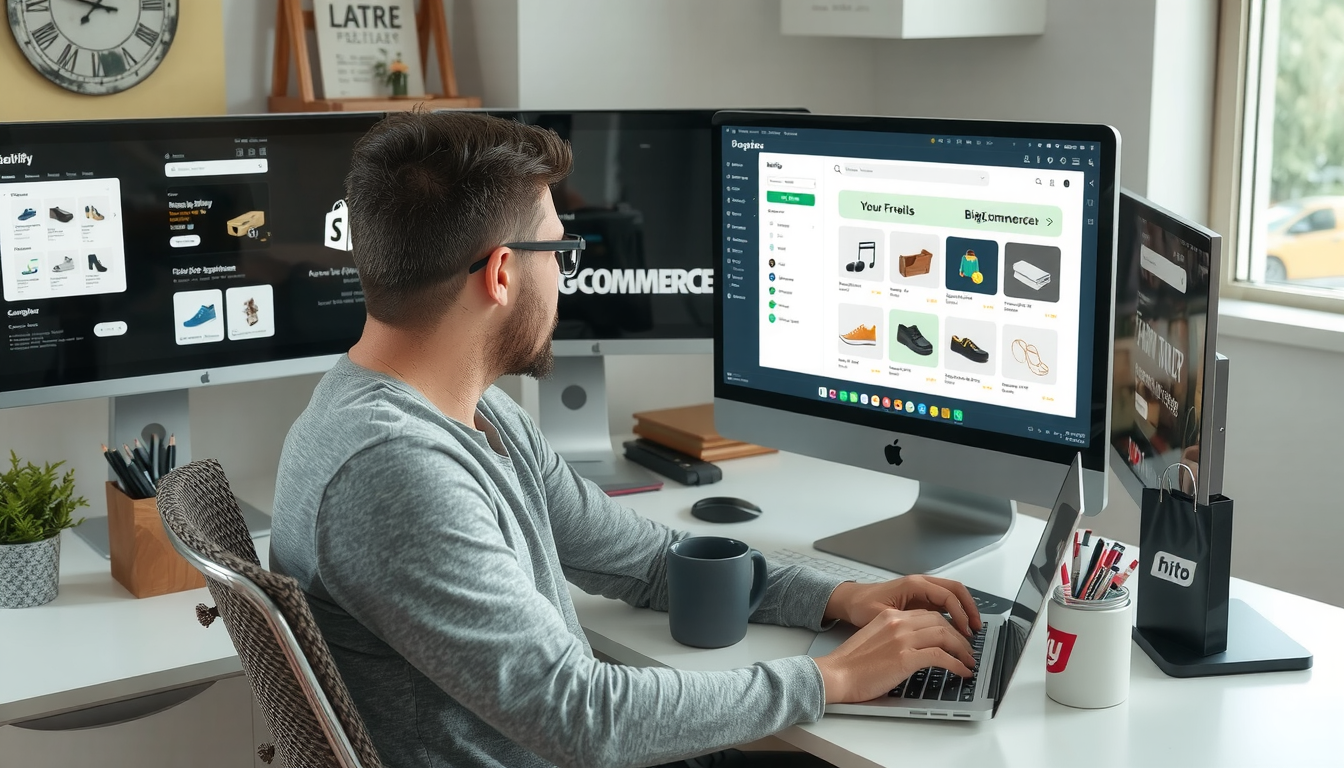
Another option is a simpler portfolio website. This displays your best work. The aim is to inspire people to contact you for a custom quote. This model is great for building relationships.
Step 5: Create a Sample Kit and Portfolio
You can only sell what you can show. Physical samples are the most effective sales tools. Begin with 5-10 high-quality, unbranded samples of your chosen best selling promotional products. For example, get a nice tote bag, a popular tumbler, and a unique tech gadget. With these items, clients can see and touch the quality you provide.
Sourcing Secrets: Finding Top-Rated Wholesale Product Suppliers
One of your key partners when selling promotional products is the supplier. The right suppliers deliver quality products at fair prices and on time, while the wrong choice can cause delays and even hurt your reputation.
Understanding the Supplier Landscape
Suppliers come in different types, and each has its own advantages. The following table can assist you in making comparisons.
| Supplier Type | Best For | Pros | Cons |
|---|---|---|---|
| Wholesale Distributors | Newbies | Diverse selection, quick to order | Might be on the slightly high end of the price range |
| Industry Networks (ASI/PPAI) | Growing Your Business | Approved suppliers, industry resources | Membership fees, could be confusing |
| Direct from Manufacturer | Special or Large Quantity | Possibly cheaper costs | High minimums, complicated logistics |
| Print-on-Demand Services | Little or No Inventory | No upfront inventory cost | Lower profits, less autonomy |
How to Vet and Choose a Supplier
Once you have some possible suppliers, it is time to check them out. Look for these key things:
- Product Quality: Make sure to ask for samples before placing a client's order.
- Pricing and Minimum Order Quantities (MOQs): Check if the supplier's prices and minimums fit your business model.
- Production & Shipping Times: Do they deliver on time? What are their rush options?
- Imprinting Capabilities: Are the decoration methods that your customers want available? Some examples are screen printing, embroidery, and laser engraving.
- Customer Service & Reliability: Are they easy to reach? Do they have good reviews from other distributors?
The Art of Pricing: A Small Business Guide to Profitability
Pricing can be a challenge. You have to cover your costs and make a profit. In addition, you need to be competitive. So, let us analyze how to properly price your promotional products for success.

The Foundational Formula: Cost-Plus Pricing
The easiest method to price is the cost-plus method. It is a great starting point.
The formula is: (Product Cost + Shipping + Setup Fees) x Markup = Your Price.
For instance, a pen costs you $1.00. Shipping and fees add $0.25, making your total cost $1.25. If you want a 50% markup, you multiply $1.25 by 1.5. Your price to the customer is $1.88 per pen.
Advanced Strategies for Maximizing Profit
To really grow your business, you need to think beyond basic pricing.
- Value-Based Pricing: Price based on the value you provide, not just the cost. A high-end tech item for a special event is worth more than a cheap pen, so you can charge more for it.
- Tiered Pricing for Bulk Orders: Encourage larger orders by offering small discounts at different quantities. This is standard practice for selling promotional products.
- 100 units @ $5.00 each
- 250 units @ $4.75 each
- 500 units @ $4.50 each
- The EQP Secret: EQP stands for End Quantity Pricing. You give your client the price for the largest quantity, even on a smaller order. Use this special incentive to win a new client or reward a loyal one.
Don't Forget the Hidden Costs
When you calculate your costs, it is easy to miss a few things. Be sure to include:
- Setup charges from the supplier
- Artwork fees for logo preparation
- Rush fees for urgent orders
- Shipping costs to you or the client
- Your own time spent on the project
What to Sell: Identifying the Best Selling and Most Profitable Promotional Products
Your product catalog is your inventory of ideas. A strong catalog has items that people want and that can make you money. Focus on a mix of timeless items and contemporary trends.
Evergreen Best Sellers to Build Your Catalog Around
Some products are always popular. They are the building blocks of a flourishing promotional products business. These categories are consistently featured among the Best Selling Promotional Items by major suppliers.
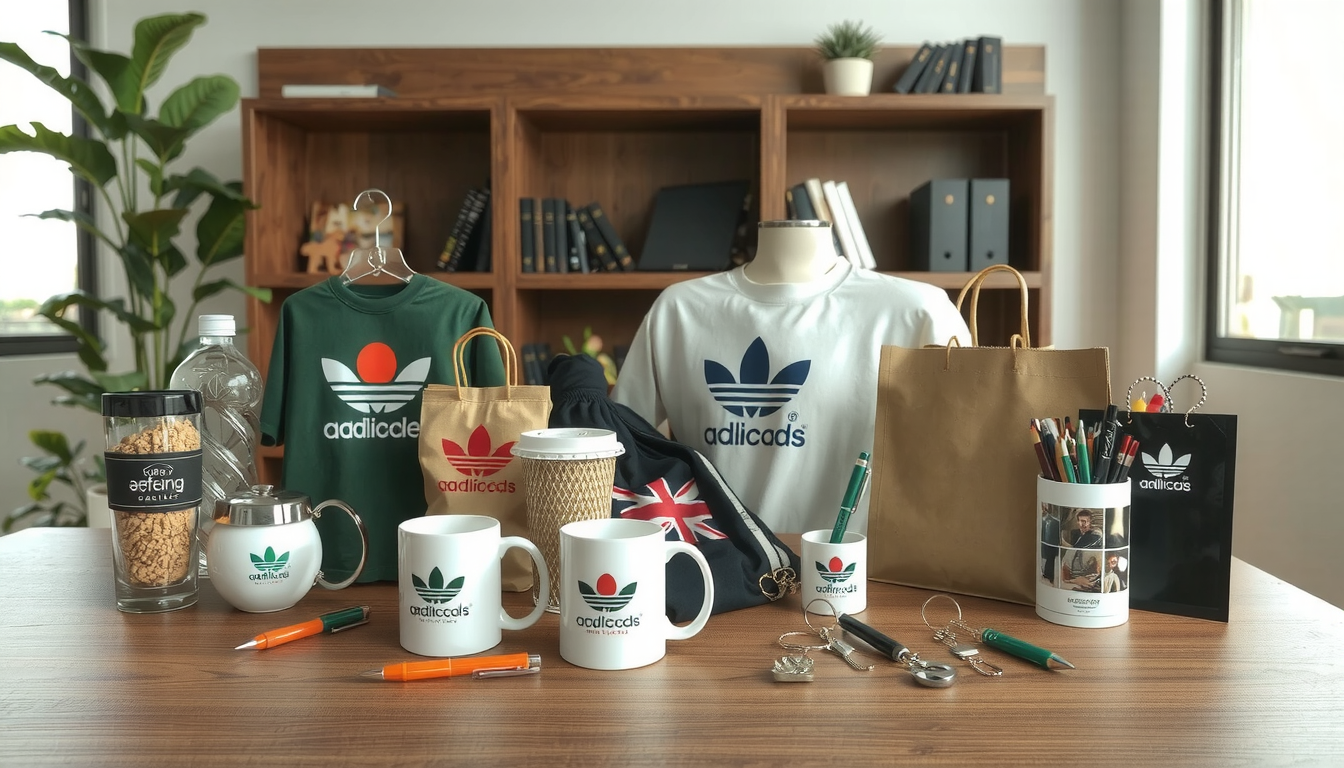
- Drinkware: Tumblers, water bottles, and mugs have a high perceived value. People use them every day.
- Apparel: T-shirts, hats, and hoodies are walking advertisements for a brand.
- Bags: Tote bags and drawstring bags are useful and have a large area for a logo.
- Tech Gadgets: Power banks, USB drives, and phone accessories are modern and useful.
- Writing Instruments: A quality pen still rules in business and makes a great giveaway.
Finding Trending and Niche-Specific Products
To stand out, keep an eye on trends. These days, eco-friendly products are widely accepted. You can consider things like bamboo pens, recycled cotton totes, or reusable lunch sets.
Also, look at high-end items for corporate gifting. Collections of popular corporate gifts often introduce luxury brands and unusual items. This may give you a profitable niche for your business.
Your Sales Engine: Platforms and Marketing Strategies that Work
Having great products and prices is not enough. You need a sales and marketing engine to bring you customers. This is how you will grow your business of selling promotional products from home.
Choosing the Best Platform to Sell Promotional Products Online
Your online presence is your modern storefront. You have two main options.
- Option 1: The E-commerce Storefront. Using a platform like Shopify, you can build a full online store. It gives you full control of your branding, products, and pricing. This can be viewed as your digital headquarters.
- Option 2: The Online Portfolio & Direct Outreach Model. You could use a simpler website builder like Squarespace or WordPress. Create a clean portfolio to display your best work. The goal is to get potential clients to contact you for a custom quote. This model is an excellent way for establishing relationships with clients.
Marketing Strategies to Boost Your Sales
The most productive strategies for a new business combine a good online presence with direct outreach. You will need to actively seek clients.
- LinkedIn for B2B Gold: LinkedIn is a powerful tool. Optimize your profile to show you are a promotional product expert, and then connect with marketing managers, HR leaders, and event planners in your area. Share useful content, like "3 Creative Ways to Use Tote Bags for Your Next Event."
- Content & Email Marketing: Create simple blog posts or guides, like a "Corporate Gifting Guide." Offer it for free in exchange for an email address. This will help you build a list of potential clients.
- Leverage Smart Promotions: Promotions are not just about discounts. You can use them to sell slow-moving items or bundle products to increase the total order value. Using tactical promotion campaigns is a key strategy for ensuring your business remains healthy and profitable.
Conclusion
Starting a business selling promotional products from home is a real opportunity in 2026. You have the blueprint. You know how to choose a niche, find suppliers, price for profit, select products, and market your business. Success comes from superior service and building strong relationships. Now the time has come to take the first step.
Frequently Asked Questions (FAQ)
How much money do I need to start selling promotional products?
You can start lean. Initial costs can be under $1,000. This covers business registration, a simple website, and a basic sample kit. The distributor model means you don't buy and hold expensive inventory, which cuts down the startup costs.
Do I need to be a graphic designer to succeed?
No. Design skills are helpful but not required. Most suppliers have art departments. They can help prepare client logos and create digital mockups for a small fee. Often they do this for free with an order.
What are the most profitable promotional products to sell?
Profitability depends on your sourcing and pricing. However, items with a high perceived value often have better margins. These include tech gadgets like power banks, quality apparel like hoodies, and premium drinkware.
How do I find my first clients?
Start with your local network. Talk to small businesses, schools, and non-profits in your town. Let them know what you do. Using LinkedIn to connect with local marketing managers is also a very effective way to find your first clients.
Is the promotional products industry still growing?
Yes. Even with digital marketing, businesses need tangible items to create a lasting brand impression. The industry is strong and continues to grow as companies look for unique ways to connect with their customers.
