
Quick Answer: A promotional item means a physical product that is used for marketing the brand and usually contains the logo of the brand or a message written. Companies use these items to boost visibility among potential customers and customer loyalty.
Context: In 2026, the trend has shifted from cheap giveaways to the provision of high-quality, green and sustainable promotional products that show the clear return on investment (ROI) to the company. These items are also suitable for digital promotion because of their unique features.
Key Takeaway: The contemporary strategy is about choosing the product and supplier who are aligned with your company ethos. The center of your strategy should be relevant, eco-friendly, and smart, educating and tracking the user experience.
Key Takeaways:
- Definition: A promotional item is a physical product that is branded and used for marketing purposes. It creates a real connection with your audience.
- Top Categories: The most powerful categories are Apparel, Drinkware, Tech, and Eco-Friendly Products. This is because they are in use frequently and others can see them.
- Key Trend: Sustainability and measurable ROI are the prominent trends in the industry. Quality and brand alignment have more weight than cheap, throwaway giveaways.
- Top Providers: The range of suppliers includes easy online suppliers (Vistaprint), large-scale distributors (Quality Logo Products), and agencies with strategic partnerships.
- Core Metric: Cost per impression (CPI) for promotional items has always been one of the lowest compared to all types of ads. This offers great value.
What is a Promotional Item? A 2026 Lens
A promotional item is any practical or decorative product branded with a company’s logo, name, or message. The product’s main aim is to market a company and create favorable attitudes towards it. Unlike digital ads that can quickly disappear, these items create a physical, lasting contact with the person receiving them.
As of 2026, the term has evolved to mean more than just “swag” or “giveaways.” It is now a strategic touchpoint in a multi-channel marketing plan. These items serve as real reminders of a brand. They fit into a consumer’s daily life effectively.
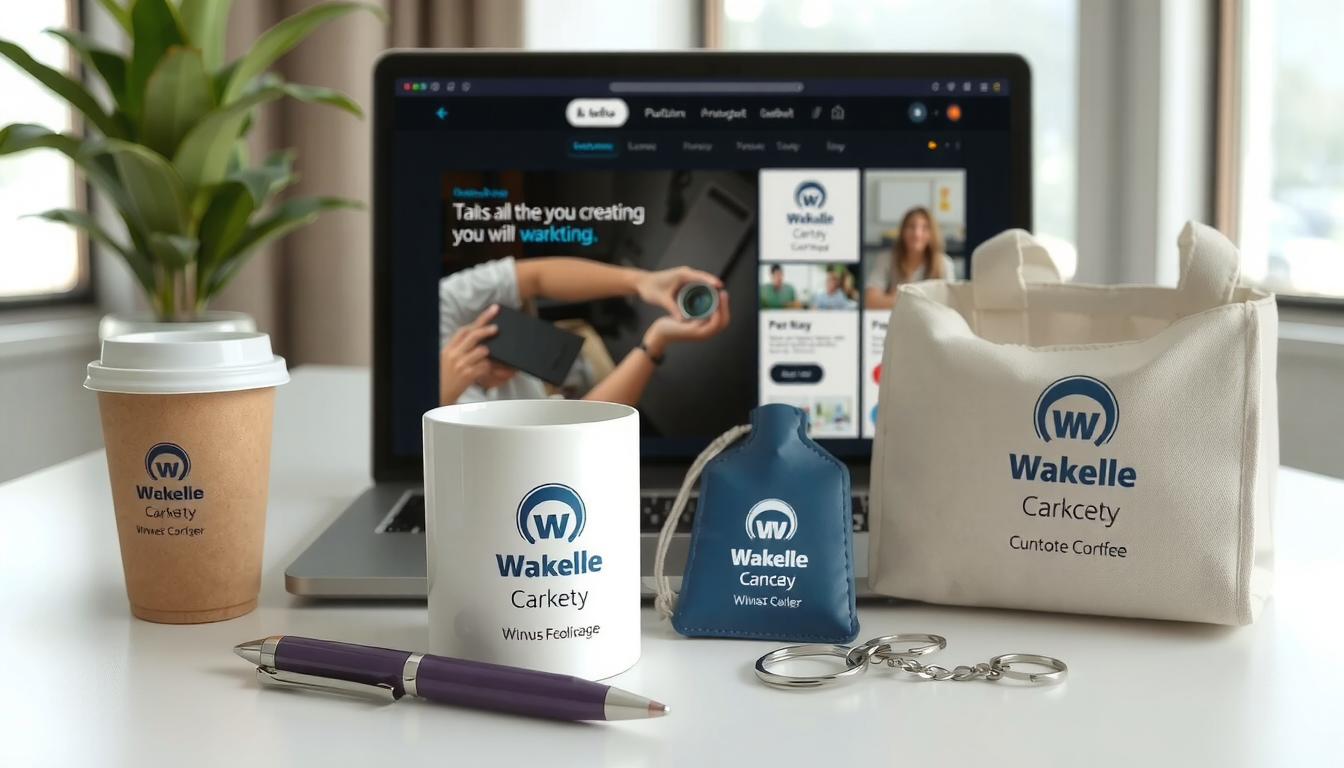
- Common Names:
- Promotional Products
- Branded Merchandise / Branded Merch
- Company Swag / Corporate Swag
- Advertising Giveaways
The Evolution of Promotional Items: A Historical Timeline
Using promotional items is not new. Understanding its history shows the lasting power of physical marketing. You can learn more from resources like Wikipedia’s entry on promotional merchandise. The industry’s progress from basic memo items to the current marketing essentials confirms its capacity to adapt and stay effective.
- 1789: The First Use: Buttons were distributed to celebrate George Washington’s inauguration. These are widely considered the first promotional items in the U.S.
- Late 1800s: The Rise of B2B: An Ohio newspaper printer, Jasper Meek, convinced a local shoe store to print its logo on book bags for schoolchildren. This created walking billboards and started a new form of advertising.
- 1904: The Industry Forms: The Advertising Specialty Institute (ASI) was founded. This formalized the network of suppliers and distributors and set industry standards.
- 1970s-1990s: The Era of Mass Giveaways: The focus shifted to low-cost, high-volume items like pens, keychains, and stress balls. These became staples for trade shows and large-scale marketing pushes.
- 2010s: The Quality Shift: As companies became aware that the quality of the item reflects the value of the brand, the demand for quality merchandising grew. This was a major factor in the rise of retail-brand partnerships with names like YETI, Moleskine, and The North Face.
- 2026 & Beyond: The Sustainable & Smart Era: Two powerful trends power the industry. The first is eco-friendly products made from recycled or sustainable materials. The second is “smart” items with embedded NFC or QR codes that link the physical product to a digital experience. This enables direct engagement and ROI tracking.
How to Choose a Promotional Item Provider: A Comparative Analysis
Picking the right partner is as important as choosing the right item. The provider landscape has three main categories. Each serves different business needs and strategic goals. Understanding these differences is the first step toward a successful promotional campaign.

| Feature | Online-Only Vendors (e.g., Vistaprint) | Large-Scale Distributors (e.g., Quality Logo Products) | Full-Service Agencies (e.g., Brand-First Solutions) |
|---|---|---|---|
| Best For | Small businesses, simple orders, speed | Mid-to-large companies, bulk orders | Strategic campaigns, custom kits, ROI tracking |
| Product Selection | Large but standard catalog | Massive catalog, some customization | Fully curated, bespoke & custom sourcing |
| Service Level | Self-service, online tools | Dedicated account reps | Strategic partnership, creative services |
| Pricing | Low per-unit, transparent | Competitive bulk pricing | Value-based, includes strategy/service |
| Key Weakness | Limited creative input, quality can vary | Can feel transactional, less strategic | Higher initial investment |
Full-Service Agencies like Brand-First Solutions distinguish themselves through the integration of promotional campaigns into overall marketing goals. They provide services like creative direction, custom packaging, and ROI analysis. These are often the missing pieces in vendor or distributor models. As a result, a straightforward product giveaway can be transformed into a data-driven marketing campaign.
What Promotional Item Should You Choose? A Decision-Making Framework
Don’t just pick another pen. Use this framework to align your promotional item with your specific business goals. This ensures your investment generates the desired outcome. The best promotional item serves a purpose for both your brand and the recipient.
- START HERE: What is your primary objective?
- A) Maximum Brand Awareness (e.g., Trade Show):
- Is your budget under $5 per item?
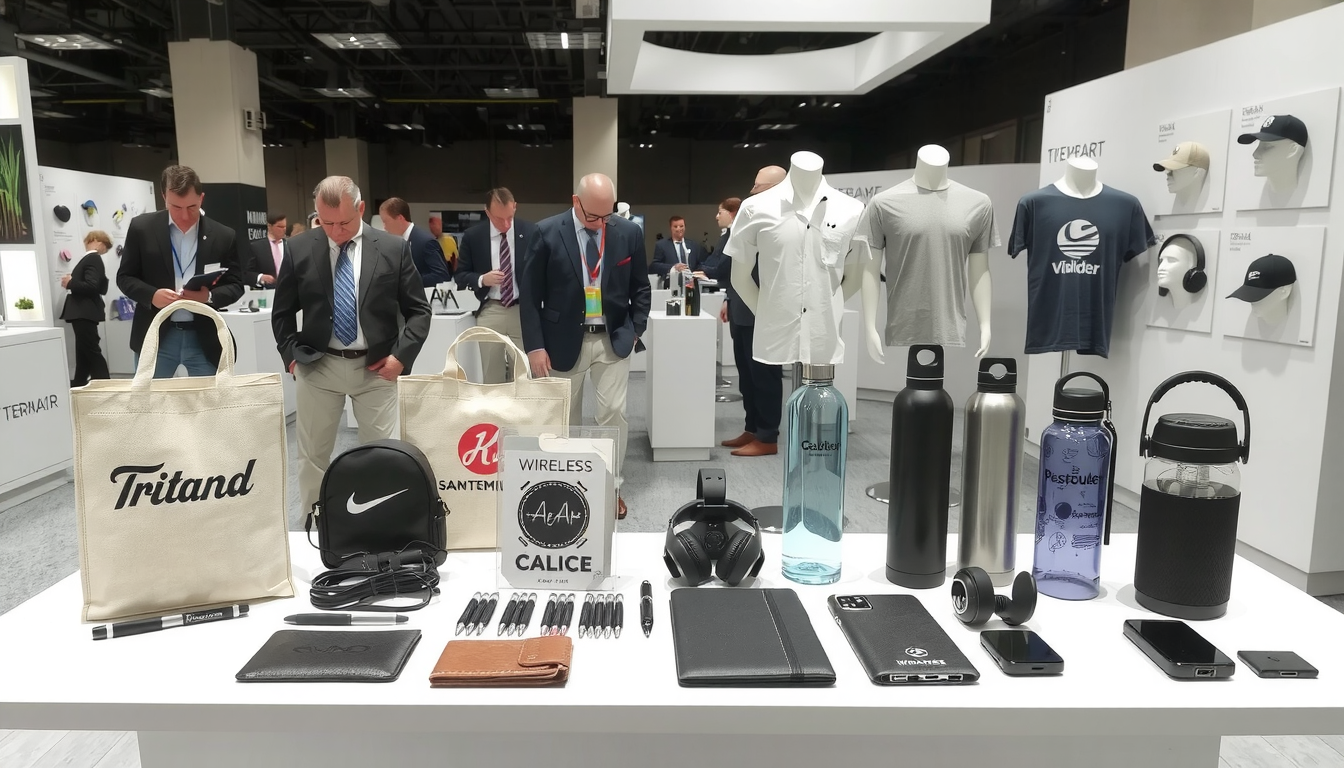
- YES -> Choose high-utility items like Tote Bags, Quality Pens, or Phone Wallets. According to ASI, tote bags generate over 3,300 impressions in their lifetime. This makes them a highly efficient choice.
- NO -> Choose high-visibility apparel like Branded T-shirts or Caps. These turn recipients into brand ambassadors.
- B) High-Value Client Gifting or Employee Recognition:
- Are you focused on utility or luxury?
- UTILITY -> Choose premium tech like Wireless Chargers, Noise-Canceling Headphones, or Smart Water Bottles. These items fit into daily routines and offer constant brand exposure.
- LUXURY -> Choose co-branded retail items like Patagonia Vests, Stanley Tumblers, or High-End Gift Baskets. These align your brand with established quality.
- C) Driving a Specific Action (e.g., Website Visit, Demo Request):
- -> Choose “Smart Swag” with an integrated QR code or NFC chip. Link a Custom Notebook or Premium Coaster directly to a landing page. This bridges the gap between physical and digital marketing.
For more specific ideas tailored to different needs, this video offers excellent examples.
The Top Promotional Item Companies of 2026
Our analysis is based on catalog diversity, customer service models, and market reputation. These companies are leaders in their respective categories for 2026. Each excels in a different area and caters to a wide range of business needs.
- Vistaprint: Best for small businesses and startups needing low minimum order quantities. They offer a simple, fast online design process. Their strength is accessibility for basic items like mugs, pens, and t-shirts, making them an excellent entry point into promotional marketing.
- Quality Logo Products (QLP): A leading large-scale distributor known for its vast product catalog and competitive pricing on bulk orders. Ideal for experienced marketing managers who know exactly what they want and need a reliable fulfillment partner.
- Swag.com: Excels in curating modern, high-quality swag and building custom kits. Their platform simplifies distribution to remote employees and clients, which makes them a favorite for tech companies and businesses focused on employee engagement.
- Brand-First Solutions: A model for the full-service promotional agency. They focus on strategy first and develop comprehensive campaigns with unique products, custom packaging, and analytics to prove ROI. This positions merchandise as a core part of the marketing mix.
- Crestline: A long-standing industry player with a strong reputation for customer service and a wide range of products. They have a notable focus on USA-made and eco-friendly options, which appeals to brands with specific sourcing requirements.
Measuring the ROI of Your Promotional Items
Contrary to common belief, the impact of promotional items can be measured effectively. As of 2026, tracking ROI is standard practice for any strategic promotional campaign. This moves it from an expense line-item to a proven revenue driver. Here are the primary methods:
- Cost Per Impression (CPI): The most common and fundamental metric for gauging reach.
- Formula: (Total Cost of Order) / (Number of Items x Average Impressions per Item)
- Digital Integration Tracking: This is where modern promotional marketing shines. Use unique QR codes or URLs on your items and track scans, landing page visits, and conversions (e.g., demo sign-ups, downloads) in your analytics platform. This provides hard data on how physical items drive digital actions.
- Brand Recall Surveys: For larger campaigns, conduct pre- and post-campaign surveys with the target audience. This allows you to measure the direct lift in brand recall, perception, and purchase intent attributable to the promotional campaign.
Frequently Asked Questions (FAQ)
What is the most effective promotional item?
According to a 2026 VistaPrint study, the most effective items are those that fit into daily life. Apparel (T-shirts, hoodies), Drinkware (water bottles, mugs), and Bags (totes) consistently rank highest for generating impressions and being appreciated by consumers. As this essential guide to promotional items notes, utility is key to longevity.
How much should I spend on a promotional item?
This depends entirely on the goal and the recipient. For mass awareness at a trade show or event, a budget of $1-$5 per item is common and effective. For high-value client gifts or employee recognition, the budget can easily range from $25 to over $100. The key is to match the item’s perceived value to the importance of the relationship.
What are the best promotional items for schools?
Popular items for the education sector focus on utility for students and staff. Top choices include stationery (pens, notebooks), student gear (drawstring bags, water bottles), and tech accessories (USB drives, phone wallets). Spirit wear like t-shirts and hoodies is also highly effective for building a sense of community. Data from sources like Giftafeeling.com confirms these categories are perennial favorites.
Can I put any logo on a promotional item?
You must have the legal right and permission to use any logo you wish to print. For co-branding with major retail brands like The North Face or YETI, you must work through an authorized distributor. They will ensure your design follows their strict brand guidelines and quality standards. Unauthorized use of trademarks is illegal.
This guide is written by Eddie- Daily Necessities Industrial Design Researcher, a Certified Advertising Specialist (CAS) with over 15 years of experience in the promotional products industry. The companies and strategies listed are based on an analysis of market share data from ASI, 2026 consumer surveys, and an evaluation of over 50 provider websites.
