
A Comprehensive Handbook for the Printing Process on Advertising Products: Beginning with Method, Ending with a Masterpiece
The seemingly straightforward procurement of your logo on a product may not always be so. One of the major branding decisions you need to make is selecting the right method. The universe of promotional product printing offers a wide variety of choices; however, each one comes with advantages. Some methods work better on specific items than others. The right one is a matter of product, design, and cost.
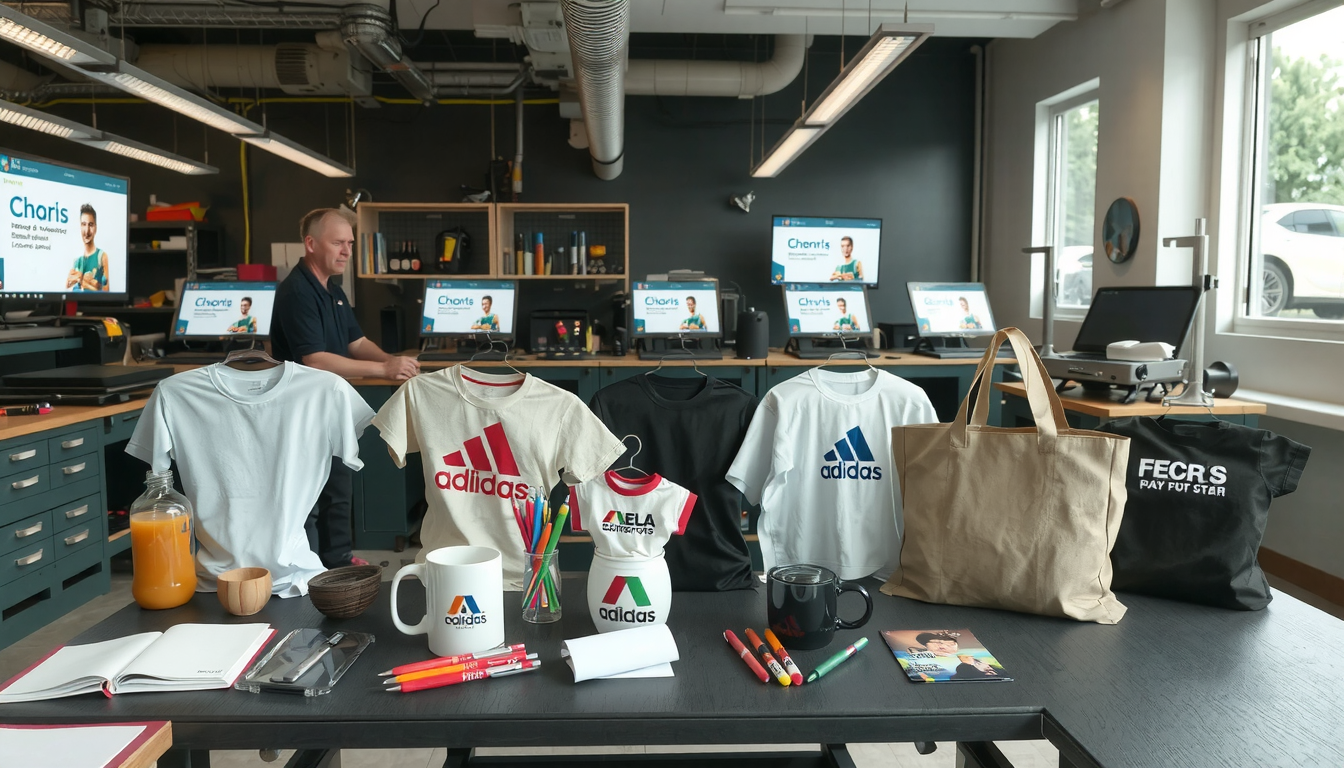
In 2026, making this choice is even more crucial than ever. That’s what a PPAI report suggests. Another enlightening piece of information is that 83% of the shoppers are inclined to choose a certain brand more after having received something that is of real use as a promotional gift. The wearing of quality products promotes quality. The very first step in this direction is grasping the different printing methods for the web-to-print industry. With this know-how, you will create a product nobody will resist.
Summary of the Main Points
- Sync the Method with the Product: The material of your item is the biggest factor. This includes fabric, plastic, or metal.
- Think of Your Design: A single-color logo and a full-color photo require different methods.
- Negotiate Quality and Price: The unit cost is often responsible for how long the print lasts and what it looks like.
- Quantity is the Name of the Game: Some techniques are economically viable for more significant lots only, while others work better for small batches.
- Always Use Vector Files: Vector art (.AI, .EPS) makes the logo look concise regardless of the size.
4 Critical Things to Consider Prior to Printing
Before discussing the various printing techniques, it is necessary to formulate a strategy. We suggest to our clients to be guided always by four “golden rules.” These questions will direct you to the ideal printing method for your particular project.
Materials and Dimensions of the Product
The item’s material is the most important factor. You cannot use the same ink for a cotton t-shirt as you do for a glass mug. Common materials include these types:
- Fabric like cotton and polyester.
- Plastic like pens and water bottles.
- Metal like travel mugs and keychains.
- Glass and Ceramic like drinkware.
- Wood.
Every kind of material has a unique absorption capacity for ink. It also determines how a print is transferred. A curved product also requires a method different from a flat surface.
Logo Complexity and Color Options
Look closely at your design. Is it a simple wordmark in one color? Or is it a full-color photo with gradients? The number of colors can change the cost drastically for some methods like screen printing. Very detailed designs may need a digital process to look sharp.
Budgeting and Printing Quality Results
What needs to be achieved by the promotional item? Do you want a basic giveaway for a trade fair? Then a simple, low-cost print might be okay. Are you preparing a lavish gift for your important customers? Then you need a premium print. You are looking for something solid, looking rich. The unit price generally reflects the quality. Also, it is an indicator of the time the print is going to last.
Order Quantity (Setup Quantities)
What is the number of pieces you require? Most printing strategies come with initial setup fees. Screen printing is one example. However, these fees are affixed across the total order. Thus, the price per unit drops with the increasing order quantity. Some other methods require little or no set-up. Digital printing, for example, is an effective way of producing low-cost products. It is usually termed the Minimum Order Quantity or MOQ.
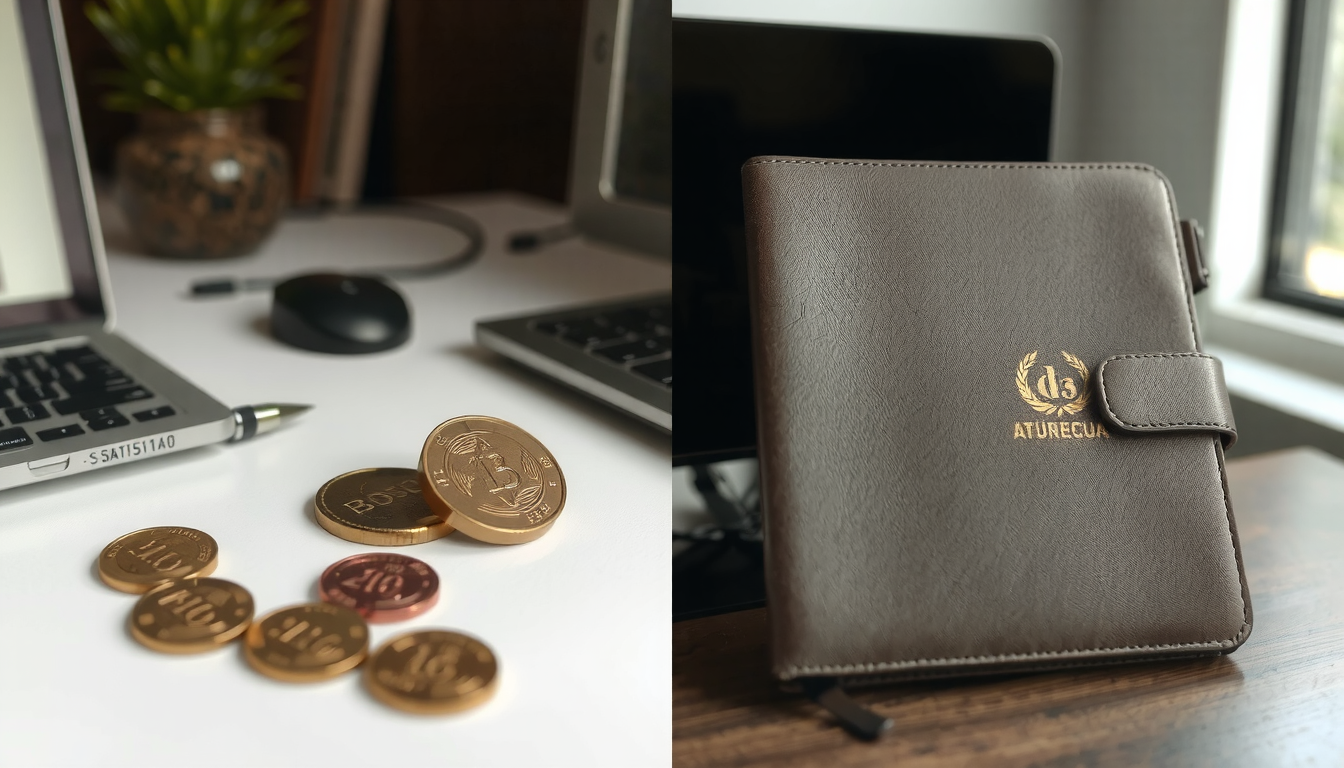
Your Method of Choice: A Comparison Overview
To aid you better, we have compiled a table. The table includes most of the popular methods for printing on promotional goods. You can use it to quickly scan their differences. This will help you narrow down your options. Choose according to the factors that we examined before.
| Printing Method | Best For (Materials) | Logo Style (Color/Detail) | Durability | Cost (Per Item) | Ideal Quantity |
|---|---|---|---|---|---|
| Screen Printing | T-shirts, Totes, Hoodies | Simple, 1-4 solid colors | High | Low in bulk | High (50+) |
| Digital Printing (DTG/UV) | Apparel, Flat/Rigid Items | Full-color photos, gradients | Moderate to High | Moderate | Low to High |
| Pad Printing | Pens, Golf Balls, Mugs | Simple, 1-4 solid colors | Moderate | Very Low in bulk | High (100+) |
| Laser Engraving | Metal, Wood, Glass, some Plastic | No color (etches surface) | Permanent | High | Low to High |
| Embroidery | Hats, Polos, Jackets, Bags | Solid colors, simple text | Very High | High | Low to High |
| Debossing/Embossing | Leather, Paper, Faux Leather | No color (3D impression) | Permanent | Moderate to High | Medium to High |
Dissecting the Printing Methods on Promotional Products
Having laid the foundation those methods, let’s go into details about each technique. The more you know about the workings of a method, the more confidence you will have to place your 2026 orders. Proper printing on promotional products calls for both the artistry and the science.
Screen Printing (or Silkscreening)
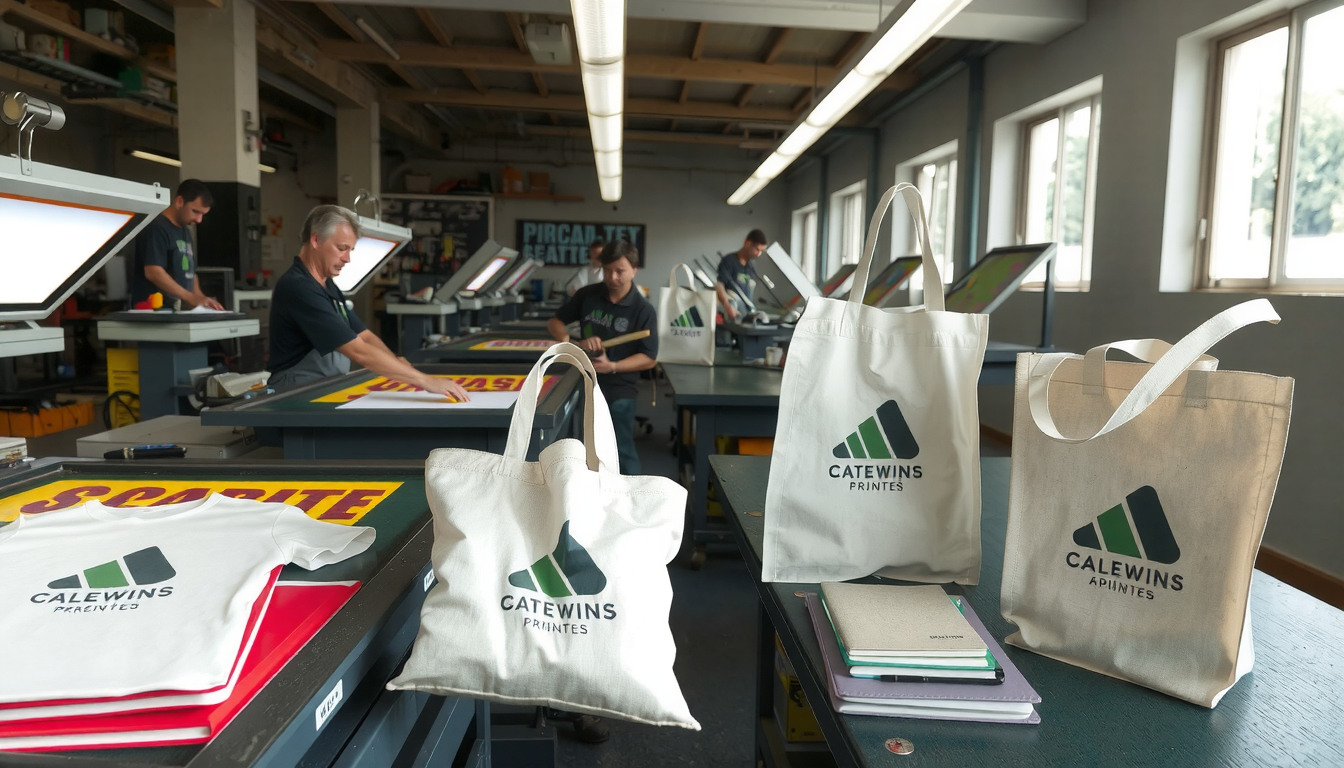
It is a classic and the most frequently used technique. It operates by pushing ink through a mesh screen onto the product. Each color in your design will require a different screen.
- Pros: Bright, long-lasting colors. Very cost-effective for large orders.
- Cons: High setup cost for multi-color designs. Not ideal for photos or gradients.
- Best For: Staff T-shirts, event tote bags, and simple logos on notebooks.
Pad Printing
This method is the king for tricky shapes. It uses a flexible silicone pad to grab ink from a surface. It then inks a curvy or uneven surface. The gist of printing methods underlines its suitability for those objects that are unmanageable for other machines.
- Pros: Prints on almost any shape. Fast and cheap for bulk orders.
- Cons: Limited to smaller print areas. Best for simple, one- or two-color logos.
- Best For: Pens, stress balls, golf balls, mugs, and tech accessories.
Digital Printing (DTG & UV)
Digital printing works like your office’s inkjet printer. However, it doesn’t print on paper but on objects. Direct-to-Garment (DTG) is for fabrics. It sprays ink directly into the fibers. UV printing uses ultraviolet light to instantly dry ink on hard surfaces. This works on items like phone cases or golf balls.
- Pros: Can print unlimited colors and photo-realistic detail. No setup costs required.
- Cons: For large runs, it can be more expensive per piece. Color matching is sometimes difficult.
- Best For: Custom T-shirts with photos, full-color logos on awards, and small-batch orders.
Embroidery
With embroidery, your design gets stitched directly onto the fabric with the help of a thread. It gives a luxury touch and appearance to the garment.
- Pros: It is extremely tough and gives a professional impression. High perceived value.
- Cons: It is unsuitable for small lettering or tiny details. More expensive than printing.
- Best For: Company polos, hats, jackets, and high-quality backpacks.
Laser Engraving
The laser beam permanently cuts through and, therefore, etches your design onto the surface of the product. Its operation consists of removing a small amount of the top material. Thus the color of the design corresponds with the shade of the product that is located underneath.
- Pros: A permanent and classy finish is created. It projects a sleek, professional image.
- Cons: Lack of color options. Only certain materials are suitable.
- Best For: Metal water bottles, wood cutting boards, glass awards, and leatherette portfolios.
Debossing & Embossing
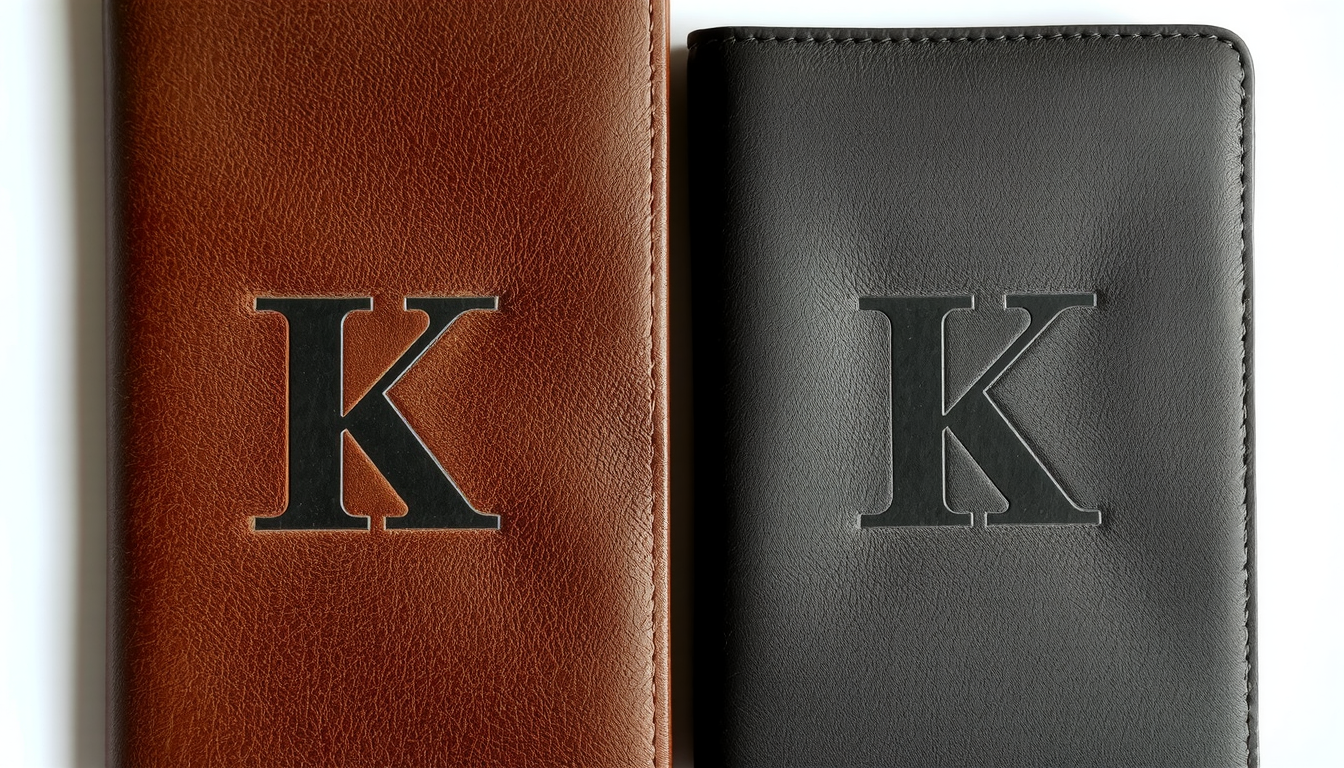
This illusion of 3D is achieved through these methods. Debossing takes the design into the material. It is the creation of an indented look. Embossing is the opposite; it takes the design up and creates a raised effect.
- Pros: Elegant, understated, and sensory. They have a premium feel made of high-end materials.
- Cons: The use of color is absent. Sometimes a color fill option is possible. On soft materials usually works the best.
- Best For: Leather journals, paper folders, and faux-leather padfolios.
A Handbook of Art, Brand Vibe, and Steering Clear of the Common Pitfalls
In our experience, the final quality of products is often determined by a few essential aspects. Here is a secret that helps you to make your logo sharp and professional all the time.
Artwork 101: Preparing Your Design for Perfect Printing
The type of file that you will send to your printer is critical.
- Vector vs. Raster: A vector file (.AI, .EPS, .SVG) is the best format. It is created with mathematical lines and shapes and therefore can be resized to any size without losing quality. A raster file (.JPG, .PNG) is made of pixels, and if you make it too big it will become blocky.
- Color Matching: For the purpose of brand visibility, we make use of the Pantone Matching System (PMS). The PMS is based on special codes. It ensures that the shade of blue to which your brand is ascribed looks exactly the same on both a pen and a T-shirt. Full color digital printing uses CMYK.
- Simplicity is Key: A beautiful, complex logo that might not work well on a small item. Be prepared to use a simplified version of your logo. This works for certain printing methods or products.
Sharing Your Brand Personality through the Printing Process
The printing process alone sends a message. Ponder over it to find the message you want to convey.
- Laser Engraving on a metal pen communicates the message of being permanent and professional. It is just right for a corporate gift.
- Screen Printing on a bright T-shirt symbolizes fun and casual. It is very suitable for a community event.
- Embroidery on a polo shirt indicates quality and authority. It is just the right choice for staff uniforms.
Common Mistakes to Steer Away from
Here is a brief list of no-no’s. Use it when preparing for your promotional product’s manufacturing step.
- Don’t use a low resolution JPEG from your website for a large banner.
- Don’t choose a 10-color logo for a small, budget-friendly pen order.
- Don’t forget to carefully check the digital proof or mockup. Do this before approving the order.
- Don’t pick a print method before you know what material your product is made of.
What About Small Orders? Printing on a Smaller Scale
High minimal order quantities (MOQs) are a popular fear for many businesses. MOQs exist because methods such as screen printing have major setup times and costs. It’s not cost-effective to set up a machine for just five shirts.
Nevertheless, today’s printing technology is different. Digital printing (DTG and UV) is perfect for small runs. The absence of setup costs makes it easy to order only one or just a few items. There are a lot of suppliers nowadays that offer promotional items with no minimum. This brings unprecedented flexibility for small businesses and start-up projects.
Conclusion: Leaving a Mark
Selecting the most appropriate way of printing guiding promotional products is all about alignment. The right choice corresponds to various conditions in an accurate way: the material of your product, the design of your logo, the cost, and the size of your order. This guide will help you create branded items securely. They will be such things that actual users will carry. They will present your brand in the best possible way.
Frequently Asked Questions (FAQ)
What is the most durable printing method for promotional products?
For fabrics, high-quality embroidery is extremely durable. For hard goods like metal water bottles or wood items, laser engraving is permanent. It etches the design into the material itself. Both are premium options that last the lifetime of the product.
Can I print a photograph on a T-shirt?
Yes! The best method for printing photos is Direct-to-Garment (DTG) printing. This also works for designs with many colors and gradients onto apparel. It works like an inkjet printer for fabric. This allows for high detail and a full range of colors.
Why do some companies require a vector file of my logo?
Vector files (like .AI or .EPS) are made of mathematical paths, not pixels. This means they can be scaled to any size. From a tiny pen to a large banner. They do this without losing quality or becoming blurry. This makes sure your logo looks crisp and professional on the final product.
What’s the most cost-effective printing method for a large event giveaway?
For large quantities (typically 100+ items), screen printing and pad printing are usually the most cost-effective. They have higher initial setup costs. But the price per item drops significantly as the order volume increases. This makes them ideal for bulk orders.
What is the difference between debossing and embossing?
Both create a 3D impression on a material. Debossing presses the design down into the material. This creates an indented look. Think of a standard leather journal. Embossing pushes the design up from the material. This creates a raised look. Both add a subtle, high-end tactile feel.
