
Beyond the Logo: A Simple Guide to Using Branded Products for Growth
Branded products are items that, together with the company’s logo or name, help the business promote its brand and stay connected with the end users. Many people perceive them as simply “freebies” or “swag,” but in some instances, a smart plan for branded products can do much more. This guide will illustrate ways of using these tools to build customer loyalty, generate new leads, and fortify the brand.
Key Points
- Branded products are not just free gifts, but also are effective mechanisms for brand development.
- The choice of the right product is based on one’s aim, target audience, and brand values.
- The quality of the product is more important than its cost. A defective, low-cost product can damage the perception of your brand.
- Planning how to give them out and tracking success are key steps that people often forget.
- Tech items and green products are two major trends for 2026.
Introduction: More Than Just “Swag”
The first thing that comes to your mind when you hear about branded products may be a simple pen with a logo. Indeed, that’s one example, but branded items can be so much more. These are tools for building real business success.
They are not just giveaway items. They enable you to leave a lasting mark. The proper item can attract a potential customer and turn them into a loyal fan. This guide will help you become a strategic thinker. You will be using branded items to reach your most important goals.
What Are Branded Products? A Clear Definition
The first step to understanding branded products is their definition. They are not just items with your name on them. They form a real relationship between your brand and the customer.
The Main Idea: Creating a Real Brand Connection
At its core, a branded product is simply a physical representation of your brand. It is a physical item that can be held, used, or seen by people every day. Thus, it serves as a permanent reminder of your business.
These items build a connection that a digital advertisement cannot. The moment someone drinks coffee in the morning out of your branded mug, your brand becomes part of their daily routine.
Different Types of Branded Items
Not all branded items serve the same purpose. They can be broken down into a few main types:
- Promotional Products: These are items given away for free. The main goal is to boost brand awareness. Think of pens at a bank or stickers at a tech event. They reach a wide audience.
- Branded Items for Sale: These are products you sell directly to your fans or customers. This creates a new way to make money. It also builds a strong community. Examples include a t-shirt from a favorite creator or a hat from a local brewery.
- Corporate Gifts & Employee Items: These are used inside the company or for special clients. They can welcome new workers, reward top performers, or thank important partners. These are usually higher quality and show thanks.
The “Why”: 6 Smart Benefits of Investing in Branded Products
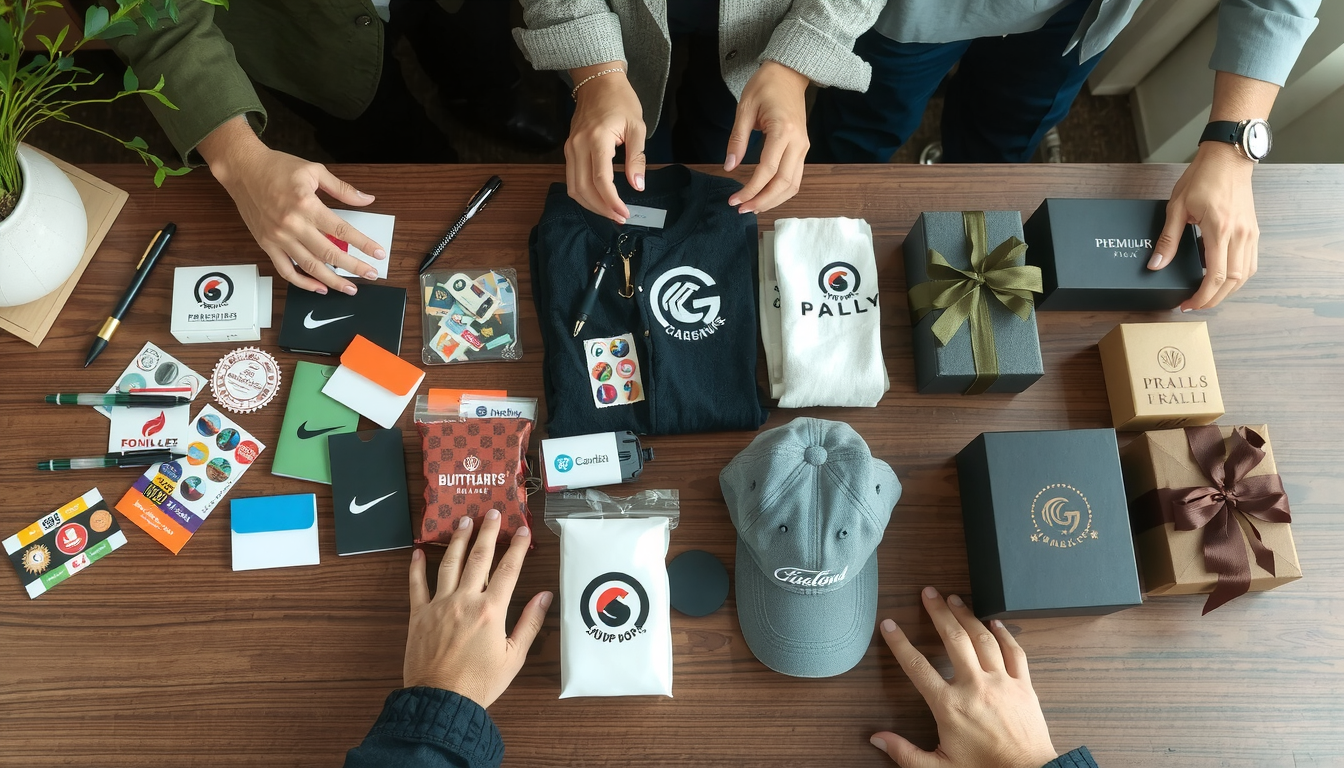
Why should your business spend money on branded products? The answer is simple: they deliver real results. They are a powerful investment in your brand’s future.
- Big Brand Awareness at a Low Cost. A single useful item can be seen thousands of times. Think about a branded tote bag used for weekly grocery shopping. The cost per view is often much lower than digital ads. It’s marketing that keeps working long after you’ve paid for it.
- Building Customer Loyalty. A thoughtful, high-quality gift makes customers feel valued. This simple act can boost how often they buy from you. It turns a simple sale into a relationship.
- Getting Good Leads. At a trade show or event, offering a cool item in exchange for an email address works well. It gives people a real reason to connect with you. This helps you build a list of people who are already interested.
- Strengthening Company Culture. A great welcome kit with branded items makes new workers feel part of the team from day one. When your team uses company-branded backpacks or hoodies, they become proud supporters of your brand.
- Creating a New Way to Make Money. For online creators, artists, and businesses, selling branded items can be a great income source. Fans love to support the brands they follow by buying and wearing their gear.
- Real Returns and More Referrals. A physical product is a constant reminder. It stays on a desk or in a kitchen, keeping your brand top-of-mind. This leads to more repeat business and word-of-mouth marketing. In fact, studies show it can boost sales and increase customer referrals by a lot.
The Smart Selection Plan: Choosing Products That Actually Work
Picking the right item is the most important step. A basic list of “top 10 swag items” won’t help. You need a plan to choose branded products that match your specific goals.
Step 1: Define Your Main Goal
Before you look at any catalogs, ask yourself one question: “What is the number one thing I want this product to do?” Your goal will guide every other choice.
Here is a simple way to connect your goal to the right kind of product:
| Goal | Product Features to Focus On | Example |
|---|---|---|
| Mass Brand Awareness | Low cost, high volume, easy to give out, useful to many. | Branded pens, stickers, keychains. |
| Strengthening Client Relationships | High value, premium quality, can be personalized. | Engraved tech item, high-end journal. |
| Employee Onboarding | Useful for work, builds team identity, high quality. | Branded backpack, quality hoodie, insulated mug. |
| Driving Sales/Community | Shows brand identity, desirable, easy to wear or display. | Stylish t-shirts, embroidered hats. |
Step 2: Know Your Audience Well
Who are you trying to reach? A product that one group loves might be useless to another. You wouldn’t give a high-tech gadget to an audience that prefers simple, traditional items.
Think about their daily lives, their values, and their style. For creators, defining your brand identity and target audience is the most important part of creating items that sell. The same is true for any business. The best branded products feel like they were made just for the person getting them.
Step 3: Make Sure It Fits Your Brand
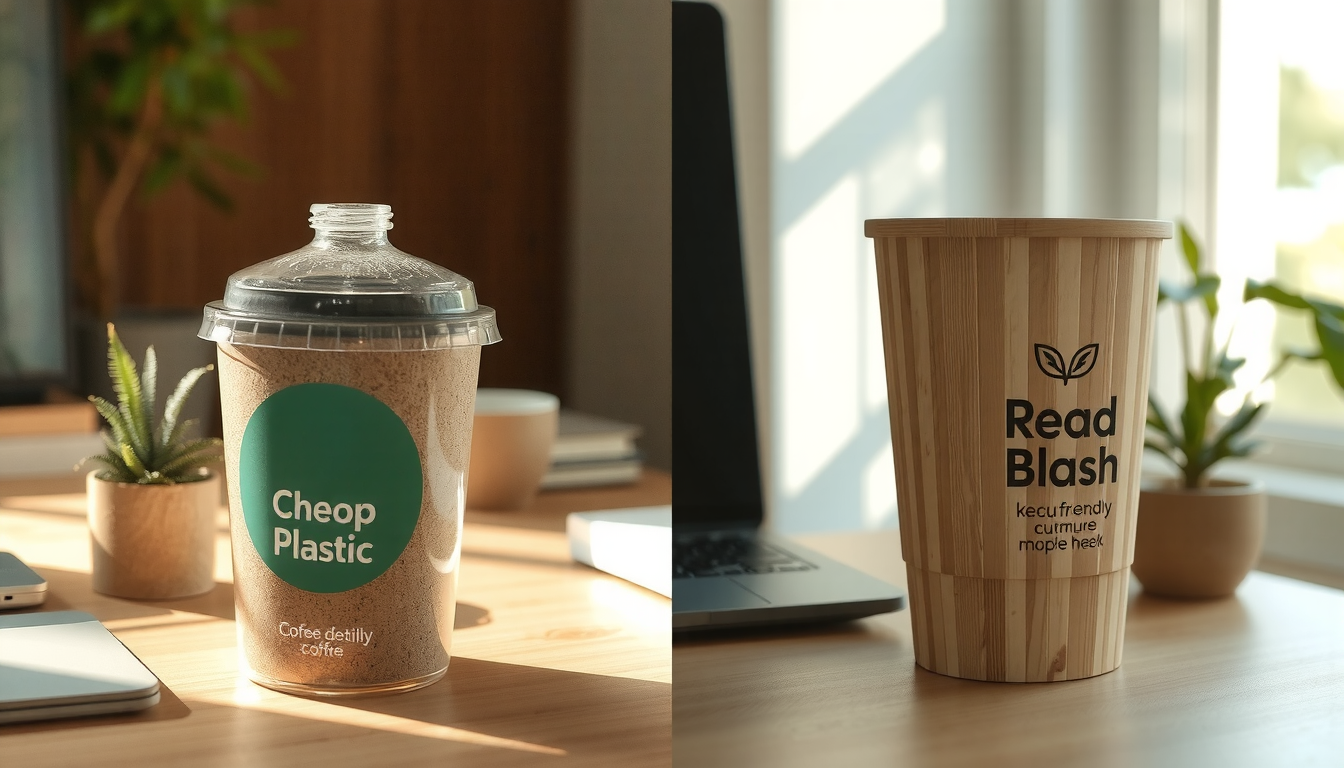
The product itself sends a message. It must reflect your brand’s values. If your company is all about being green, giving out a cheap plastic item sends the wrong message. Instead, choose a product made from recycled materials or something reusable, like a bamboo coffee cup.
If you are a tech company, your branded products should be modern and useful. A sleek power bank or a wireless charger would fit perfectly with your brand image. The product should feel like a natural part of your brand.
Getting It Done: A Guide to Avoiding Common Mistakes
Choosing a great product is only half the work. How you make and give it out matters just as much. From our experience, many companies make simple mistakes that hurt their efforts. Here is how to avoid them.
Mistake # 1: Picking Cheap Quality to Save Money
A common mistake we see is choosing the cheapest option to save money. This almost always backfires. A leaky water bottle, a t-shirt that shrinks, or a pen that breaks right away creates bad feelings about your brand.
It is far better to give a smaller, high-quality item than a larger, low-quality one. A broken product is worse than no product at all. It directly connects your brand with a bad experience.
Mistake # 2: A Boring or Too Corporate Design
People will not use or wear something that looks like a walking billboard. A huge, ugly logo will make sure your branded product ends up in a drawer or in the trash. The goal is to create something people actually want to use.
Focus on a cool, stylish design that includes your brand in a subtle way. Think of the simple Apple logo on a high-quality laptop. The design should be good enough that someone would consider buying the item, even without the brand connection.
Mistake # 3: Not Planning Storage and Delivery
A question that is often asked too late is: “How will we get these items into people’s hands?” Having 5,000 t-shirts delivered to your small office can be a nightmare.
Before you order, have a clear plan. Will you ship them? Do you need storage? Will you give them out at an event? The costs and effort of storage and delivery should be part of your first budget.
Mistake # 4: Not Tracking Success

How do you know if your investment in branded products paid off? You need a way to track the results. This doesn’t have to be hard.
You can add a unique QR code on the product that links to a special offer on your website. At events, you can ask people who sign up for your newsletter how they heard about you. You can also watch social media to see if people are posting photos with your items. Tracking success helps you make better choices next time.
The Future of Branded Products: Trends to Watch
The world of branded products is always changing. To stand out in 2026, you need to know the latest trends. Here are a few to keep an eye on.
- Being Green: This is no longer just a trend; it’s what customers expect. Focus on items made from eco-friendly materials like bamboo or recycled cotton. Reusable products like high-quality water bottles and tote bags are more popular than ever.
- Tech Features: Look for products that blend the physical and digital worlds. This could be a notebook with a built-in NFC chip that opens your website when tapped with a phone. Useful tech like power banks and wireless chargers also stays very popular.
- Personal Touches: Go beyond just adding a logo. Technology now makes it easier to add individual names to products. You can also create limited-edition designs for special events or top clients. Personal touches make a gift feel much more special.
Conclusion: Your Brand in Their Hands
When branded products are used correctly, they are a powerful marketing tool. By thinking wisely about your goals, audience, and design, you can create something truly valuable.
The right product puts your brand directly into the hands of your customers. The objective is to create something that they not only receive, but also use and love. This keeps your brand top-of-mind and builds a connection that lasts.
Common Questions about Branded Products
1. What’s the difference between branded products and promotional products?
Promotional products are a type of branded product. They are the items given away for free to promote a brand. The term “branded products” is broader. It also includes items sold to customers, known as merchandise, and items for internal use, like employee swag.
2. How much should I budget for branded products?
There is no single answer. Your budget depends on your goal. For a large event to raise awareness, you might spend $1 to $5 per item for thousands of people. For a high-value gift to a key client, you might spend $50 to $100 or more. The key is to think about the potential return, not just the upfront cost.
3. What are the most popular branded products?
Useful, everyday items are always popular. This includes high-quality drinkware like mugs and tumblers, clothing like t-shirts and hats, tech items like power banks, and office supplies like notebooks and pens. However, the “best” product for you depends completely on your audience and your goal.
4. How can I measure the ROI of my branded products?
You can measure the return on investment (ROI) in direct and indirect ways. A direct method is to put a unique QR code or website URL on the product and track the traffic. Indirect methods include tracking brand mentions on social media, sending out customer surveys, or watching for changes in brand awareness over time.
5. Is it better to give away items for free or sell them?
This depends on your goal. Giving items away for free is best for creating broad brand awareness and getting new leads at events. Selling merchandise is best for brands with an engaged community that wants to show support. It also creates a new source of income. Many businesses do both.
