
The Complete Guide to Selecting Materials That Will Stay with People
Have you ever thought where all those promotional pens and keychains from trade fairs vanish? Too frequently, they are found in the nearest trash. Deciding on your promotional materials can be like playing the lottery. But it doesn’t have to be that way. This guide offers you a straightforward, 4-stage process to select items that will build your brand. They will also be the items your recipients will appreciate and use in 2026. These items are also called promotional products. They are indeed actual tools that advertise your business.
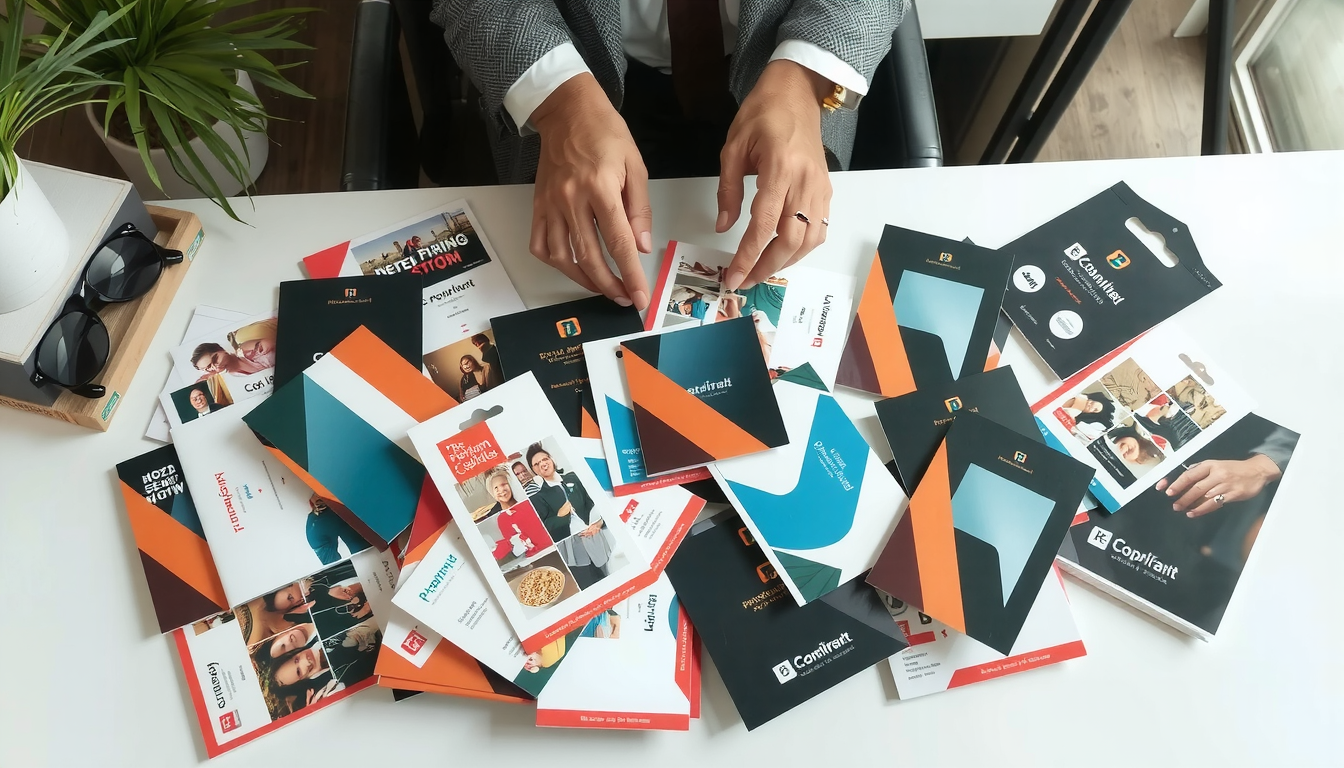
Highlights of the Guide
- Follow the Plan’s Steps: First, figure out your Goal. Second, learn about your Audience. Third, think about the Context. Finally, align with your Brand and Budget.
- Being Useful Is a Must: The very best promotional items are the things that the target audience truly finds useful in everyday life.
- Item-Goal Relation: Each marketing goal requires its own promotional products. For example, building brand awareness and generating leads will need different methods.
- Get Creative: Creative and thoughtful items like eco-friendly goods or wellness kits make a much stronger impression.
- Invest in Results Measurement: Applying QR codes or unique URLs on your promo material helps to measure their return on investment (ROI).
What Are Promo Materials and Why They Are More Crucial Than Ever?
In a realm of digital noise, tangible items manage to stand out. The very first step in using promo materials is understanding the role they play. They are a necessary part of any modern marketing strategy.
The Meaning of “Promo Materials”
So, what are we talking about? It is straightforward. Promotional materials are resources used by businesses to advertise a product, service, or brand. They could be physical items like t-shirts and coffee mugs or digital assets, such as templates. All carry your company’s logo or message. You hand them out to promote your business. This is a way of connecting to potential clients.
The Enduring Impact of Real Elements
Digital ads are ephemeral. But a physical product stays. When a person holds an item with your brand on it, it creates an actual, lasting connection. These items serve as tangible reminders of your brand, creating lasting impressions.
This isn’t just a theory. It is a real fact. A recent PPAI study has shown that 82% of consumers developed a positive impression of a company after getting a promotional product from them. A practical item makes it possible for people to think about your brand for many months or perhaps years.
The 4-Step Plan for Choosing Great Promo Materials
Finding the right products can be a daunting task. To make it simple, we use a 4-step plan. This structured system will ensure that every penny you spend on promo materials turns out to be a wise investment in your brand’s growth.
Step 1: Set Your GOAL (The “Why”)
Before you flip the first catalog, ask yourself: “What do I want to achieve?” Your goal will be the compass that navigates all other choices. In general, most goals can be divided into four categories.

- Brand Recognition: You want a wider audience to recognize your brand’s name.
- Quality Leads: You want to gain contact information from prospective customers.
- Customer Retention: You want to express gratitude and keep your current customers.
- Team Engagement: You want to build team spirit and appreciate your workers.
Answer questions like, “Do I want to make a big splash at an event? Or should I thank my top 10 clients?” This will lead you to your actual goal.
Step 2: Know Your AUDIENCE (The “Who”)
Who are you trying to reach? The best promo materials are the ones that are truly useful to your specific audience. A cheap pen is useless for a tech-savvy audience that rarely writes by hand.
Think about how your target customers live. What are their hobbies, values, and struggles? For example, a fitness brand can give away branded yoga mats. A software company, on the other hand, can provide webcam privacy covers. The more you know about your audience, the more manageable it becomes to select things that they will like and use.
Step 3: Examine the CONTEXT (The “Where”)
Where and how will you give these items away? The setting matters. A bulky, heavy item is a terrible choice for a trade show where attendees need to carry everything all day. A small, high-end gift is perfect for a personal client meeting.
Consider these common settings:
- Trade Shows: Items should be lightweight, portable, and eye-catching.
- Direct Mail: Products must be flat and strong enough to ship easily.
- In-Store Giveaways: The item can be larger. It should encourage immediate use or a return visit.
- VIP Client Gifts: Quality and presentation are more important than cost-per-item.
Step 4: Align with Your BRAND & BUDGET (The “How”)
Finally, the promotional product should feel like it comes from your brand. A luxury spa that gives out a flimsy plastic water bottle sends the wrong message. The product’s quality and design should be in line with the brand’s image and principles.
Of course, the budget plays a vital role too. Don’t just look at the price per unit. Think about the value it can create for the recipient and the potential return on your investment. Sometimes, spending a little more on a high-quality item that people will keep for years is much smarter than buying thousands of cheap items that get thrown away.
Matching Promo Materials with Marketing Goals

The 4-step plan provides the framework for connecting your strategy to real-world items. You will advance your marketing in 2026 with the help of this table, which will suggest various promotional materials based on your marketing target.
| Marketing Goal | Recommended Promo Materials | Why It Works |
|---|---|---|
| Mass Brand Awareness | Branded Tote Bags, Stickers, Quality Pens | These items offer high visibility at a low cost-per-impression. They are useful in daily life, putting your brand on display repeatedly. |
| High-Quality Lead Generation | Tech Gadgets (Power Banks, Ring Lights), Premium Notebooks with a QR Code | The high perceived value encourages people to trade their contact information for the item. A QR code can lead them directly to a landing page. |
| Fostering Customer Loyalty | High-Quality Coffee Mugs, Cozy Branded Hoodies, Exclusive Items | These gifts integrate your brand into a customer’s comfortable daily routine. They feel like a genuine “thank you” and build a strong emotional connection. |
| Driving Event Foot Traffic | Eye-Catching T-Shirts, Reusable Water Bottles, Fun Desk Toys | These items create buzz and make your trade show booth a “must-visit” destination. People will seek you out for the cool swag. |
Beyond the Basics: Creative Promo Ideas That Get People Talking
The standard pens and stress balls have their place. But truly memorable brands think outside the box. Here are some creative ideas for promo materials that will make your brand stand out in 2026. You can even use simple design tools to see how your logo will look on these items.
The Green Statement
As more consumers care about the environment, eco-friendly promo materials show that your brand shares their values. This is a powerful way to connect with an earth-conscious audience.
Examples include seed paper that grows into wildflowers. You could also use reusable bamboo utensil sets. High-quality apparel made from recycled cotton works well too. These items tell a story about your brand’s commitment to more than just profit.
The Tech-Forward Tool
For tech companies, startups, or any modern business, tech-focused promo items are a perfect fit. They are highly useful and position your brand as current and innovative.
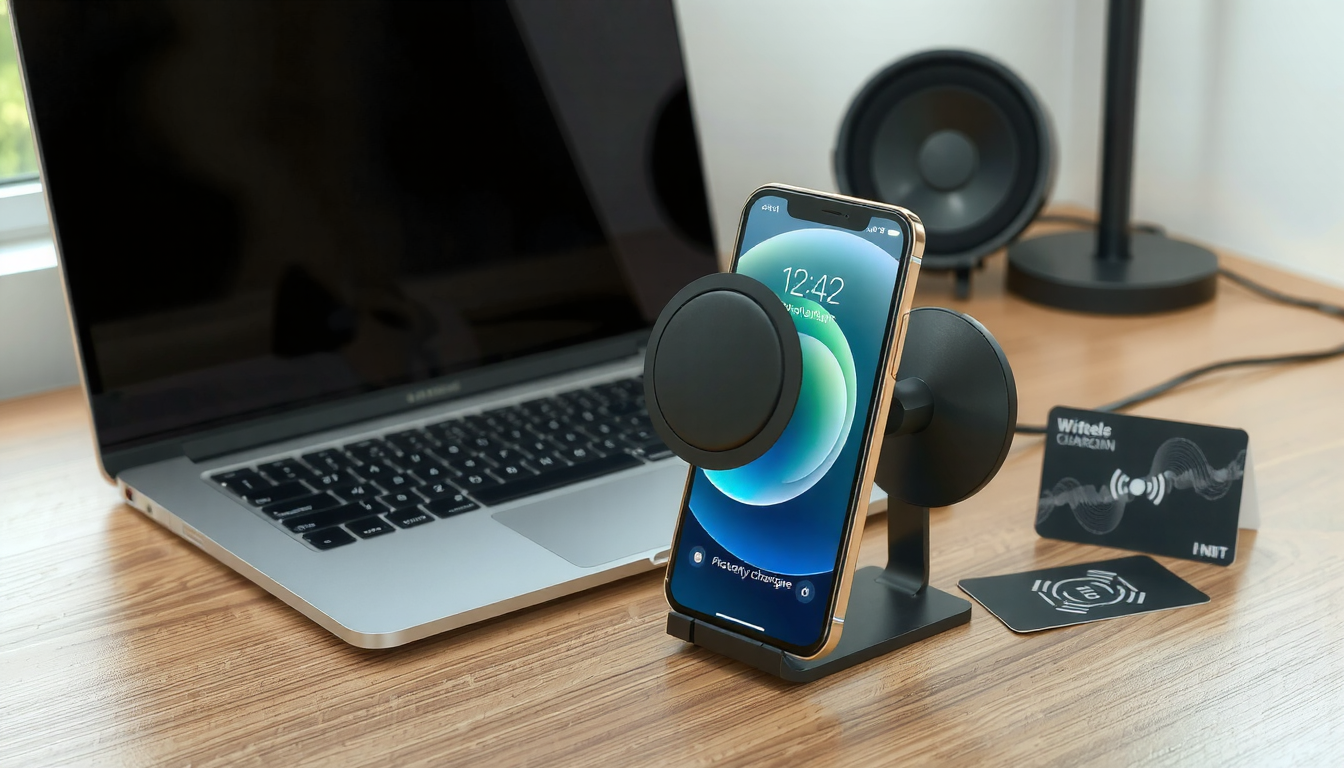
Consider items like webcam privacy covers. These address a common concern in the age of remote work. Other great options include phone stands with built-in wireless charging. NFC-enabled business cards that instantly transfer your contact information to a smartphone also work well.
The Wellness Gift
In a busy world, a gift that promotes well-being is always appreciated. These items show that your brand cares about its audience on a personal level.
For a recent virtual wellness summit, we provided attendees with a branded self-care kit. It included a satin sleep mask and calming tea. The social media mentions were amazing. Attendees called it the “most thoughtful conference swag ever.” This shows deep appreciation for a gift that put their well-being over simple marketing.
The Legal & Official Definition
On a more formal note, it is good to know that the term “promotional material” can be very broad. For businesses in regulated industries, understanding this is important for compliance. Legal definitions of “Promotional Material” often include a wide range of communications. This ranges from artwork and advertisements to packaging and signage. This wide scope ensures all marketing efforts are covered.
Turn Your Promo Materials into Brand Ambassadors
Choosing the right promo materials is not about spending money, but rather about investing in your brand’s story. These items are more than just giveaways. They are brand ambassadors that work for you long after the initial interaction.
By applying the 4-step plan—Goals, Audience, Context, and Brand—you can move from guessing to structured planning. You can choose items that people will not only keep but also use and admire. The most effective promotional products are a thoughtful extension of your brand, creating a positive and lasting experience for your audience.
Common Questions About Promo Materials
Q1: What is the most effective promotional material?
A: There’s no single “best” item. The most effective material is one that is truly useful to your specific audience and aligns with your marketing goals. A high-quality, relevant item will always outperform a generic, cheap one.
Q2: How do I measure the ROI of my promotional products?
A: Measuring ROI can be direct or indirect. For direct measurement, include a unique QR code, URL, or discount code on the item and track redemptions. For indirect measurement, survey customers to ask how they heard about you. You can also track brand mentions on social media after a giveaway.
Q3: What’s a good budget for promo materials for a small business?
A: Instead of a fixed number, think in terms of Customer Acquisition Cost (CAC). A $10 item that helps land a $1,000 client has an excellent ROI. It is often best to start small. Focus on a targeted group and choose quality over quantity for your promo materials.
Q4: Should I just put my logo on everything?
A: While your logo is essential, consider a more subtle approach for premium items. A tasteful, small logo on a high-quality jacket is more likely to be worn than a giant logo. For other promotional items, a clever tagline or brand message can be more engaging than just a logo.
Q5: Are digital promotional materials (like e-books or templates) effective?
A: Yes, they are highly effective, especially for lead generation. While they lack the physical feel of traditional swag, they offer immediate value. They have zero distribution cost and are excellent for capturing email addresses. They also help nurture leads in a digital-first marketing strategy.
